
Most people assume market crashes are the biggest threat to retirement funds. That assumption misses the real issue. The biggest risk to retirement savings isn’t sudden; it builds quietly over time. It’s the risk of living longer than your money can last. That single factor reshapes every other retirement concern, from inflation to healthcare costs, and it demands a smarter, more deliberate approach to managing retirement effectively.
What Is the Biggest Risk to My Retirement Savings
So here’s the thing. When people ask, what is the biggest risk to my retirement savings, they usually expect to hear about market volatility or 401 (k) risks. Those matter, sure. But they’re not the core problem.
The biggest risk to your retirement savings is longevity risk (Outliving Savings), the risk that you will outlive your money. That idea may sound simple, but it changes everything. People are living longer than previous generations, and that means retirement isn’t a 10–15-year phase anymore. It can stretch across decades. When retirement lasts 25 to 30 years, even small miscalculations can snowball into serious financial pressure.
Longevity risk in retirement isn’t just about lifespan. It’s about whether your income stream can keep up with time, inflation, and rising care costs. And that’s where many retirement plans fall short.
Why Longevity Risk Is the Most Dangerous Retirement Risk
Longevity risk retirement planning often gets overlooked because it doesn’t feel urgent. A market downturn is visible. Inflation makes headlines. But the risk of outliving your money works quietly in the background.
Here’s how it plays out. Imagine retiring at 60 with solid savings. If you live to 90, that’s three decades of withdrawals. Over time, inflation rates chip away at purchasing power, healthcare costs rise, and investment returns fluctuate. Without proper planning, even a well-built portfolio can run dry.
According to the Social Security Administration, a 65-year-old today has a high probability of living into their mid-80s or beyond. That means senior citizens outliving their money is no longer rare; it’s becoming common.
Retirement Duration vs Savings Pressure
| Retirement Age | Life Expectancy | Years Funded | Risk Level |
| 60 | 85 | 25 years | High |
| 65 | 90 | 25 years | Very High |
| 70 | 95 | 25 years | Extreme |
And that’s why it matters. Longevity risks don’t just stretch your savings; they magnify every other retirement risk along the way.
The Hidden Retirement Risks That Make Longevity Risk Worse
Longevity risk rarely acts alone. It works alongside other retirement planning risks, making the situation more complex.
Inflation and Rising Living Costs
Inflation rarely grabs attention year to year, but over time, it becomes a serious force. A 3% annual increase can cut purchasing power nearly in half over 25 years. That means retirement savings that seem sufficient today may fall short later.
Inflation quietly turns manageable expenses into long-term financial strain. And when retirement lasts decades, that pressure compounds.
Market Volatility and Sequence Risk
Market risk plays a different role in retirement than during working years. A market downturn early in retirement can permanently damage a portfolio, especially if withdrawals continue during losses.
This is often referred to as sequence risk. A dedicated guide covers what sequence risk means for 401(k) withdrawals, including the mechanics and the planning fixes available. It’s one of the most underestimated 401 (k) risks, and it directly impacts how long your money lasts.
Healthcare and Long-Term Care Costs
Healthcare remains one of the most unpredictable retirement concerns. According to Fidelity, an average retired couple may need hundreds of thousands of dollars for healthcare expenses alone.
Long-term care costs can escalate quickly. Without long-term care insurance or proper planning, these expenses can erode retirement funds at an alarming pace.
Over-Reliance on a Single Income Stream
Relying heavily on Social Security or a single investment source introduces fragility into your plan. If that source underperforms or falls short, there’s little room to adjust. That’s why diversified income streams are essential in managing retirement.
Major Retirement Risks Compared
| Risk Type | Impact Level | Control Level | Long-Term Damage |
| Longevity Risk | Very High | Low | Severe |
| Inflation | High | Medium | High |
| Market Volatility | Medium | Medium | Moderate |
| Healthcare Costs | High | Low | Severe |
Are Retirement Accounts in Danger Today?
A common question often surfaces: Are retirement accounts in danger?
The short answer is no. Retirement accounts like 401(k)s and IRAs are not inherently unsafe. The real issue lies in how they are used. 401k risks don’t stem from the account itself. They come from:
- Poor withdrawal strategies
- Lack of diversification
- Misaligned risk tolerance
So while market swings can impact account value, the greater risk retirement faces is not structure, it’s strategy.

How to Manage Longevity Risk in Retirement
Understanding how to manage longevity risk is where planning shifts from theory to action.
Build Multiple Income Streams: Relying on one source of income creates vulnerability. A more stable approach involves combining different streams such as investments, Social Security, and other assets. For those exploring structured approaches, learning how to build multiple income streams for retirement through proven financial strategies can support long-term financial stability and more predictable income over time.
Adjust Withdrawal Strategy Over Time: Rigid withdrawal strategies often fail in long retirements. Instead, withdrawals should adapt based on market conditions, life expectancy, and spending needs.
Use Tax-Efficient Investment Planning: Taxes can quietly drain retirement savings if ignored. Strategic planning helps preserve more income over time and supports long-term sustainability.
Consider Professional Financial Guidance: This is where experience matters. A structured, personalized approach, rooted in a strong and disciplined wealth planning philosophy, helps align investments, income, and long-term financial goals, creating a more consistent and strategic path toward financial stability.
The Role of Financial Planning in Managing Retirement Risk
Managing retirement isn’t about reacting to risk; it’s about anticipating it. A thoughtful financial plan considers income longevity, inflation protection, healthcare planning, and risk tolerance. This is why having a clear retirement planning strategy is essential for long-term financial security.
Firms with a strong planning foundation, including a Raleigh-based wealth advisory team, focus on integrating these elements into a cohesive financial strategy, ensuring long-term stability, risk management, and consistent wealth growth.
That kind of planning doesn’t just protect retirement savings; it gives structure to decision-making over time.
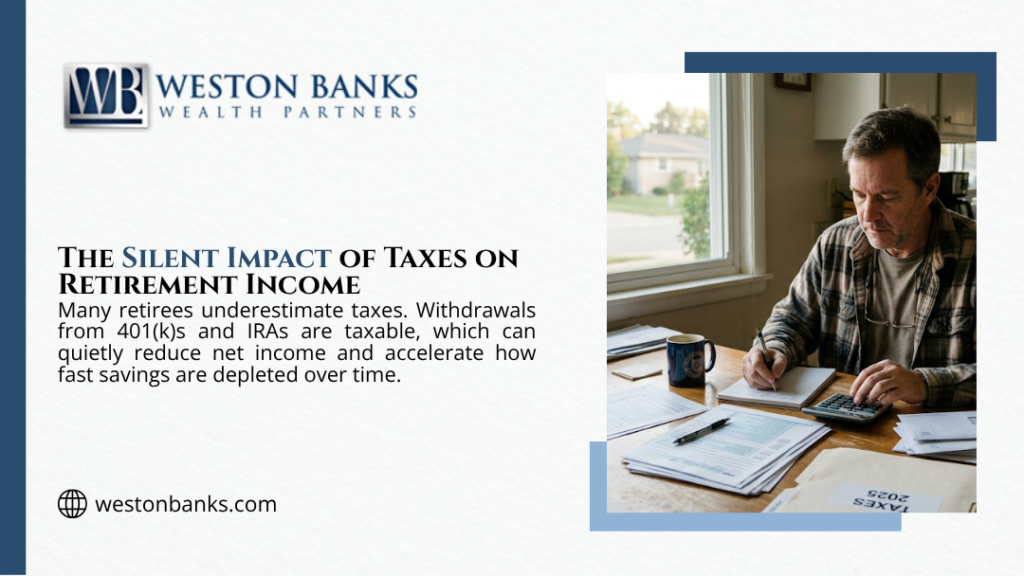
Things to Consider for Retirement Before It’s Too Late
Retirement planning risks often come down to timing, and understanding them is key to making smarter financial decisions. Decisions made too late can limit flexibility. If you own a business, it’s also important to understand what happens if your business fails before you sell it, as that can have a significant impact on your long-term retirement strategy. Key considerations include:
- Life expectancies and how they impact savings
- Long-term care costs and insurance options
- Risk tolerance adjustments over time
- Income sustainability
Ignoring these factors increases the likelihood of retired people outliving their money. Addressing them early provides more control.
Retirement Planning Checklist
| Factor | Why It Matters | Risk if Ignored |
| Income Planning | Sustains lifestyle | Running out of money |
| Healthcare Planning | Covers major costs | Financial strain |
| Inflation Protection | Maintains value | Reduced purchasing power |
| Investment Strategy | Growth + stability | Portfolio depletion |
So What Actually Protects Your Retirement Savings?
Protection doesn’t come from avoiding risk altogether. That’s not realistic. It comes from understanding risk and building around it. The biggest shift happens when retirement planning moves from accumulation to sustainability. That means focusing less on short-term returns and more on long-term income reliability.
FAQs
How much can I safely withdraw from retirement savings each year?
Most financial guidance starts around 4%, but that number may need adjustment based on market conditions, life expectancy, and personal expenses. A flexible approach often works better over time.
What is the 4% rule in retirement?
The 4% rule suggests withdrawing 4% of your retirement savings in the first year, then adjusting for inflation each year after. It’s a guideline, not a guarantee.
Can I spend more than 4% in retirement?
In some cases, yes. If you have strong income sources or a shorter retirement horizon, higher withdrawals may be sustainable. However, this increases risk over time.
How do I know if I’m spending too much in retirement?
Signs include faster-than-expected portfolio decline, reduced flexibility during market downturns, or increased reliance on savings without income support.
Should retirement spending change over time?
Yes. Spending often shifts throughout retirement, with higher early expenses, stable mid-years, and increased healthcare costs later on.
How can I make my retirement savings last longer?
A combination of diversified income, flexible withdrawals, and thoughtful financial planning can help extend the life of your savings.

Where This Leaves Your Retirement Plan
So, what is the biggest risk to my retirement savings? It comes back to one idea, longevity risk. The possibility of outliving your money shapes every other financial decision in retirement.
But here’s what matters more. That risk isn’t unavoidable. With the right planning approach, it can be managed.If you want a clearer path forward, it may be worth taking the next step and speaking with someone who understands how these pieces fit together. You can connect with a financial planning team to create a strategy tailored to your retirement goals. Because in the end, retirement isn’t just about reaching a number. It’s about making sure that number lasts.
DISCLOSURE: This information is not intended to be a substitute for specific individualized tax advice. We suggest that you discuss your specific tax issues with a qualified tax professional.